
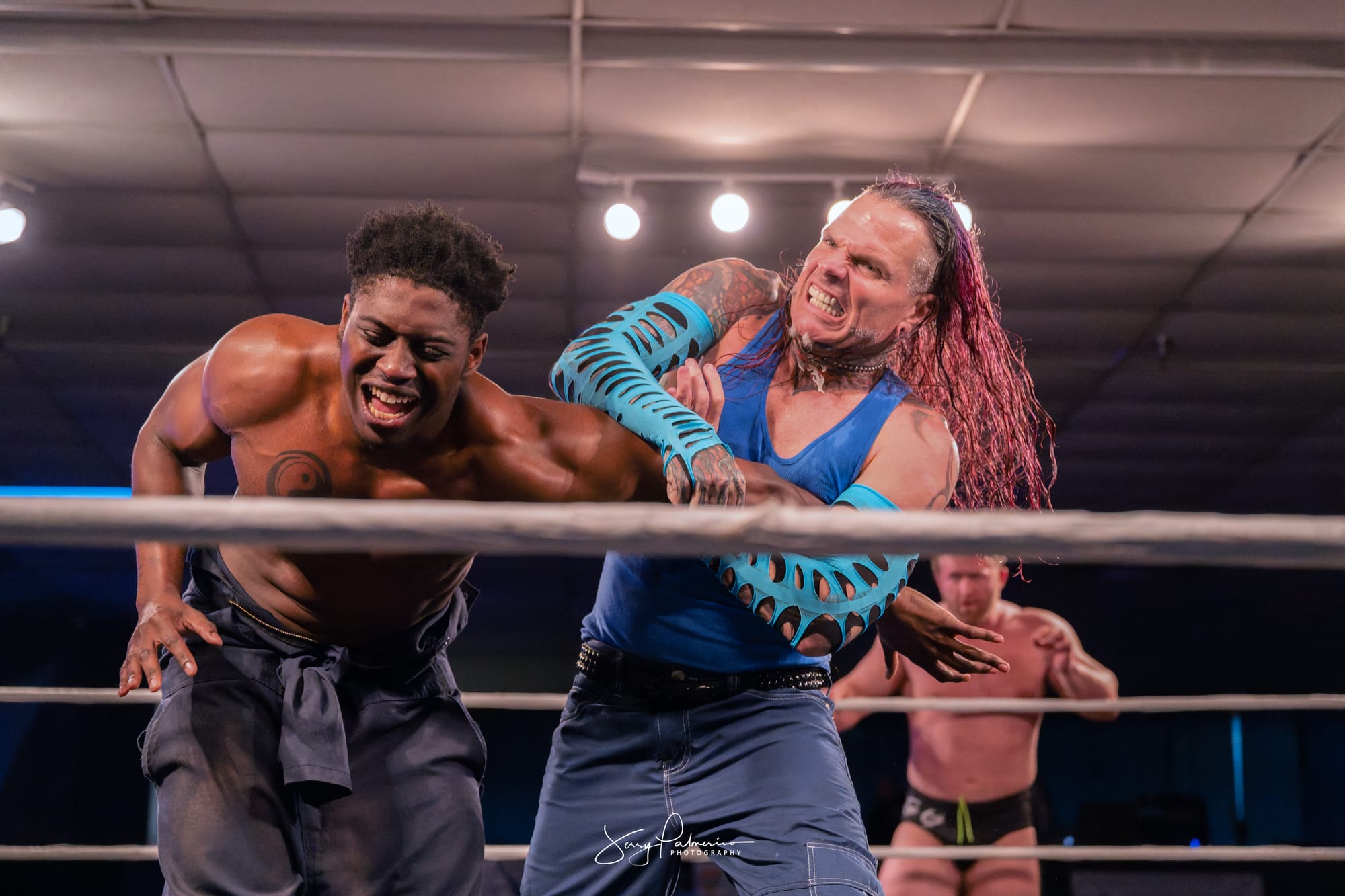
How to See the Moment Before It Happens
Pre-visualizing is one of the most powerful skills in photography and almost nobody talks about it. Everyone obsesses over gear and settings and autofocus modes. Those matter. But the real magic happens before you even lift the camera. It happens in your mind long before the shutter clicks.
Pre-visualizing is the ability to see the photo before it exists. It is the mental blueprint that guides your timing your angle your anticipation and your entire approach to a moment. When you learn to pre-visualize you stop reacting and you start predicting. That is when your photography becomes intentional instead of accidental.
What Pre-Visualizing Really Is
Pre-visualizing is not guessing. It is not hoping. It is not daydreaming. It is the skill of mentally rehearsing the shot you want before the action unfolds. You imagine the frame. You imagine the emotion. You imagine the movement. You imagine the light. You imagine the exact moment you want to capture.
This mental rehearsal trains your brain to recognize the cues that lead to that moment in real time. When the moment finally arrives you are already ready.
Why It Matters in Fast Action Sports
Sports move faster than your reflexes. Wrestling especially is pure chaos. Bodies flying. Ropes shaking. Ref stepping in front of you at the worst possible second. If you wait to see the moment before you shoot you are already late.
Pre-visualizing gives you a head start. You know where the action is likely to go. You know which wrestler climbs the ropes. You know who loves a dive. You know who plays to the crowd. You know the rhythm of the match. You know the story that is building.
When you can see the moment before it happens you can position yourself early. You can lock focus early. You can frame early. You can time your burst perfectly.
How to Train Your Brain to Pre-Visualize
Here are the habits that build this skill and turn it into second nature.
• Study the patterns: Every sport has predictable rhythms. Watch matches. Watch how athletes move. Notice the setups that always lead to big moments.
• Watch body language: Shoulders tighten. Feet plant. Eyes shift. Muscles coil. Athletes telegraph everything if you know what to look for.
• Pick your story early: Do not try to shoot everything. Decide what story you want from each sequence. Impact. Emotion. Celebration. Struggle. Once you know the story you know where to stand.
• Use downtime to imagine the next moment: Between plays or matches take a breath and picture what is likely to happen next. Visualize the angle the light the emotion.
• Review your own galleries: Your misses teach you more than your hits. Look for patterns in what you consistently fail to capture. Those are the moments you need to pre-visualize next time.
How Pre-Visualizing Helps You Ringside
Ringside is all about angles and timing. When you pre-visualize you can beat the chaos. You can shift before the crowd stands. You can slide left before the ref blocks you. You can catch the exact instant a wrestler looks up at the lights or screams in pain or hits the mat.
You are not reacting to the match. You are reading it. You are predicting it. You are photographing it with intention.
The Hidden Bonus
Pre-visualizing also calms your mind. When you know what you are waiting for you stop spraying and praying. You stop panicking. You stop second guessing. You shoot with confidence and purpose. And that confidence shows in every frame.
Final Thought
The best photographers are not the ones with the fastest reflexes. They are the ones who can see the moment before it arrives. Train that skill and your photography will jump to a level that no new lens can buy.